
Your First Visit to DHI Hyderabad: A Step-by-Step Consultation Experience
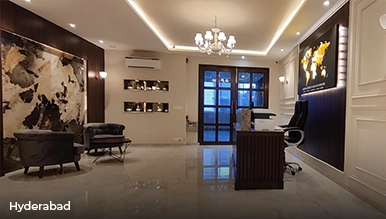
Individuals experiencing hair loss often seek professional consultation to understand their condition and explore available treatment options. They require clear insights into the underlying causes of hair loss along with realistic and medically sound solutions. Hair transplant treatment consultations at the DHI hair transplant clinic in Hyderabad are designed to address these concerns in a structured and comprehensive manner.
Rather than proceeding directly to treatment recommendations, the consultation follows a structured approach. Each step focuses on a specific aspect of hair loss, from scalp condition to long-term personalised treatment planning. This method ensures that patients gain a complete and accurate understanding of their hair loss situation before making any treatment decisions.
The following sections outline this consultation process in detail, step by step.
1. Hair Loss Diagnosis Consultation – UDSA
Hair loss diagnosis consultations at the DHI hair transplant clinic in Hyderabad begin with a detailed documentation of the patient’s hair-loss concerns, followed by formal case registration. This preliminary information forms the foundation for the subsequent clinical evaluation, which is conducted exclusively by a certified and trained DHI™ doctor.
2. Scalp and Donor Area Examination
After completing the case registration, a certified DHI™ doctor thoroughly examines the patient’s scalp. The donor area, usually the back side of the scalp, is assessed first. Hair density, follicle strength, and consistency of the area are evaluated carefully, as this determines the quantity and quality of hairs that can be safely extracted.
Subsequently, the thinning or balding areas are examined to gauge the extent of hair loss. Scalp health, sensitivity, and elasticity are also assessed as part of the evaluation. This step determines your eligibility for a hair transplant procedure using DHI’s methods.
3. Hair Loss Pattern Assessment
The doctor explains the patient’s hair loss pattern and stage using the Norwood scale, a medically recognized standard for classifying male pattern hair loss. Understanding the stage of progression allows for accurate long-term planning and prediction of future thinning.
More importantly, an evaluation of the Norwood stage allows the doctor to plan treatment that delivers permanent, full scalp hairs and natural-looking results.
This is particularly important because hair loss is often progressive. Certain areas may appear stable, while others may still be actively thinning. Treatment planning must account for these future changes to ensure results remain natural as the condition evolves.
Patients exploring the best hair transplant clinic in Hyderabad often overlook this step when comparing clinics, despite its significance for long-term results.
4. Suitability for DHITM Hair Transplantation
Once your hair loss pattern is clear, the discussion addresses technique suitability. The doctor explains whether a DHI hair transplantation, the most advanced hair transplantation procedure, is appropriate for the patient’s scalp condition and goals.
This includes an explanation of follicle extraction and implantation methods, and their effectiveness for specific hair loss patterns. If DHI™ is not ideal for certain areas or conditions, the doctor may suggest non-surgical options or a delayed treatment.
5. Hair Requirements and Coverage Planning
After confirming suitability, the doctor estimates the number of hairs required to cover the priority areas. These are usually determined by visibility and impact, such as the frontal hairline, mid-scalp, or crown.
The focus here is on visual density rather than maximum density. This approach helps achieve balanced hair transplant results without overusing donor hair. Patients comparing the hair transplant clinic in Delhi or anywhere else in India require this clarity to evaluate treatment options.
6. Hairline Design
Hairline planning is addressed separately, with consideration given to facial structure, age, and existing hair distribution. Growth direction, implantation angle, and hair spacing are discussed in practical terms.
This step helps patients understand that natural-looking results depend more on thoughtful design and planning than simply on the number of hairs used.
7. Reviewing Expected Results and Timelines
The doctor outlines the hair growth timeline, including initial shedding, regrowth phases, and full maturation.
Patients are shown several hair transplant before-and-after examples to understand how results evolve. This sets realistic expectations and helps patients compare outcomes across different clinics.
8. Cost Explanation and Procedure Scope
Costs are discussed once the hair estimate is finalized. Pricing is explained in relation to hair count and procedural complexity. The doctor explains what the treatment includes and the number of sessions required for the procedure.
There are no bundled promises; this transparency allows patients to make informed financial decisions when evaluating the top hair transplant treatment in Hyderabad.
9. Safety Protocols and Surgeon Involvement
The doctor details the safety standards followed at DHI Medical Group, including sterilisation protocols, disposable instrument usage, and infection-prevention measures. Most importantly, patients are informed that all surgical steps are performed exclusively by certified and highly trained DHI surgeons, not technicians.
This step is particularly relevant for patients comparing hair transplant clinics in India on safety and competence parameters.
10. Pre-Procedure Guidance and Next Steps
If you decide to proceed, pre-procedure guidance is shared. This may include medication adjustments, basic scalp care, and scheduling details. Any required medical tests are explained if applicable.
The consultation ends with clear next steps, giving patients all the insight they need to make an informed decision. If you are considering a hair transplant in Hyderabad and seek guidance that is surgeon-led, transparent, and personalized, booking a consultation at DHI Hair Transplant Clinic in Hyderabad is a practical first step toward achieving natural and long-lasting results.