


Hair Fall vs Hair Breakage: Causes, Signs, and How to Identify Them
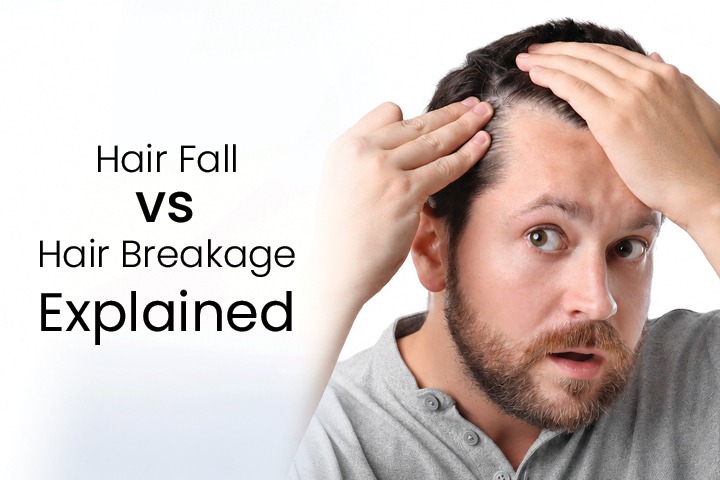
Watching your hair thin out in the mirror can hamper your confidence immensely, especially when you cannot pinpoint why it is happening. Some days, it could feel like your hair simply will not grow past a certain length. On other days, it might seem as though it is falling out from the roots entirely. Though most people confuse the two, these are two different concerns with two distinct fixes. Before you spend money on products or treatments, it helps enormously to understand exactly which issues your hair is facing in reality.
Knowing the Real Difference Between Hair Loss & Hair Breakage
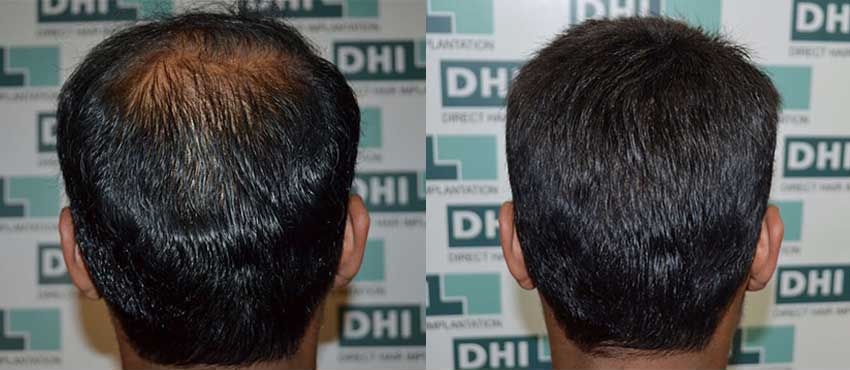
Hair fall happens when a strand detaches at the root and exits the scalp completely. Look closely at a shed strand, and you will usually spot a tiny white bulb at one end, the root of the hair. This is part of the natural growth cycle, which moves through an anagen growing phase, a short catagen transition phase, and a resting telogen phase before shedding occurs.
Hair breakage is an entirely separate issue. Here, the strand never leaves the follicle at all. Instead, it snaps somewhere along its length because the outer cuticle layer has weakened. A broken strand will not show that white bulb and instead looks frayed, blunt, or uneven at the ends. Understanding hair loss vs hair breakage this way makes everything that follows much easier to diagnose.
What Causes Hair Loss?
A 2025 report by BW Healthcare World, citing a survey by Traya, found that over 50 percent of Indian men experiencing hair loss are under 25. This signals a trend of premature hair loss among India’s youth. Genetics still plays a role, but it is no longer the only piece of the puzzle behind hair fall causes in India. Several factors disrupt the growth cycle and push more follicles into shedding mode.
- Physical or emotional stress, illness, and lack of sleep
- Low iron, protein, vitamin D, B12, or zinc levels
- Hormonal shifts from thyroid disorders, PCOS, pregnancy, or menopause
- A family history of thinning or a receding hairline
- Scalp issues such as dandruff, inflammation, or fungal buildup
- Certain medications, sudden weight loss, or post-illness recovery
Most of these causes lie beneath the surface, which is why hair fall requires a proper diagnosis.
Reasons for Hair Breakage You May Be Overlooking
Unlike shedding, breakage is almost always about damage to the visible strand and not the follicle underneath. Some of the most common reasons for hair breakage are listed below.
- Frequent heat styling from straighteners, curlers, and blow dryers
- Chemical treatments like bleaching, coloring, rebonding, or keratin smoothening
- Hard water mineral buildup that leaves hair rough and brittle
- Tight ponytails, braids, or buns that strain the strands
- Brushing or detangling hair while it is still wet
Address the damage, and the breakage usually slows down, since the follicle itself was never the problem.
Signs of Hair Breakage Versus Hair Fall (Quick Checks)
A few simple checks at home can clear up the confusion fast.
The bulb check: Pick up a fallen strand. A tiny white bulb at one end points to hair fall. If you see frayed or blunt ends with no bulb point, that indicates breakage.
The length check: Strands roughly the same length as your hair usually mean fall, while short, uneven pieces scattered through your brush are classic signs of hair breakage.
The texture check: Run your fingers along the ends of your hair. Rough, dry, split, or frizzy ends almost always mean breakage.
How to Treat Hair Breakage and Manage Hair Fall
Two different problems require different strategies. For hair fall, follow a protein- and iron-rich diet, manage stress, and have bloodwork done to check for deficiencies. When appropriate, consider dermatologist-guided treatments such as minoxidil, PRP, or growth factor therapies.
For hair breakage treatment, the goal is to repair the shaft. Use a deep-conditioning mask weekly, reduce heat styling, trim split ends regularly, apply a lightweight leave-in serum and switch to a silk or satin pillowcase to reduce friction overnight.
In case you are wondering how to stop hair breakage, consistency matters more than any single product. Practice small daily habits focused on moisture retention and gentle handling.
When Hair Thinning Demands Expert Help
If hair keeps falling out for months, following a clear genetic pattern, or shows up as a visible scalp despite lifestyle changes, it is time to consult a specialist for hair transplant solutions.
At that stage, the clinic you choose matters almost as much as the decision to seek treatment itself. DHI has spent over 50 years earning its place as one of the most trusted names in hair restoration. That trust now shows up in recognition from NABH, ISO, the UK Care Quality Commission, TUV Austria, ACHS Australia, and the World Health Academy. Every DHI transplant is carried out meticulously from start to finish by certified surgeons trained through the London Hair Restoration Academy. This precision contributes to a graft viability rate above 90%, well ahead of the industry average.
The sooner hair loss is diagnosed, the more options you have. Speak today to a certified surgeon at DHI before that window narrows.
FAQ
Q1: How do I know if I have hair fall or hair breakage?
The easiest way is the bulb check. Pick up a strand from your brush or pillow. If it has a tiny white bulb at one end, it is hair fall, the strand has detached from the root. If the ends look frayed, blunt, or uneven with no bulb, it is breakage, the strand snapped somewhere along its length. Short, uneven pieces scattered through your brush are also a classic sign of breakage rather than fall.
Q2: Is it normal to lose hair every day?
Yes. Losing 50–100 strands per day is considered normal as part of the hair growth cycle. Hair naturally moves through a growing phase, a transition phase, and a resting phase before shedding. It becomes a concern when daily shedding consistently exceeds 100 strands, when loss follows a visible pattern such as a receding hairline or widening parting, or when thinning is noticeable despite no change in routine.
Q: Can hair breakage turn into permanent hair loss?
Hair breakage on its own does not cause permanent hair loss because the follicle underneath remains intact and healthy. However, if the root cause of breakage such as harsh chemical treatments, chronic heat damage, or very tight hairstyles is left unaddressed over a long period, it can eventually stress the follicle itself and lead to traction alopecia, which can cause lasting damage. Treating breakage early prevents it from progressing.
Q: When should I see a specialist about hair fall?
If you are shedding significantly more than usual for longer than 8–12 weeks, noticing a visible scalp, seeing a clearly defined pattern of thinning, or have already tried lifestyle and product changes without improvement, it is time to consult a specialist. The earlier hair loss is diagnosed, the wider the range of treatment options available to you. Book a free consultation with DHI to get a proper diagnosis from a certified hair restoration surgeon.
Q: Can stress cause both hair fall and hair breakage?
Yes, but in different ways. Stress triggers a condition called telogen effluvium, which pushes a large number of follicles into the resting and shedding phase simultaneously, causing significant hair fall from the root. Chronic stress also affects nutrition absorption and hormone balance, which can weaken the hair shaft and make it more prone to breakage. Managing stress through sleep, diet, and lifestyle changes is an important part of any hair restoration plan.